The design of outdoor spaces goes beyond mere functionality. It taps into the emotional and psychological responses of individuals who interact with these environments. Artistic elements play a crucial role in landscape design, helping to create places that resonate deeply with users. Whether through the choice of plants, water features, sculptures, or even the layout of pathways, each element can evoke specific feelings and experiences.
The Power of Artistic Design
Artistic elements in landscape design have the capacity to transform ordinary spaces into extraordinary ones. When executed thoughtfully, these elements foster connections between people and their environment. For example, a carefully placed sculpture can become a focal point that draws the eye while also sparking conversation among visitors. Similarly, vibrant plant selections can evoke joy and tranquility, while muted tones may inspire contemplation.
Consider a public park designed with artistic landscaping. Instead of using standard grass lawns and uniform tree lines, designers might introduce meandering paths flanked by wildflower gardens. This approach not only enhances visual interest but also encourages exploration, guiding visitors through an experience that changes as they move deeper into the space.
Emotional Responses to Color Schemes
Color is one of the most powerful tools in landscape design. It directly influences mood and perception. Warm colors like reds and yellows often evoke feelings of warmth and happiness, making them ideal for community spaces where social interaction is encouraged. Conversely, cooler colors such as blues and greens tend to have calming effects, suitable for private gardens or retreat areas where relaxation is paramount.
Research has shown that color can affect stress levels. For instance, a garden dominated by lush greenery interspersed with splashes of colorful flowers can provide a soothing antidote to urban life's stresses. The integration of contrasting colors can create dynamic landscapes that stimulate excitement or curiosity—think about a vibrant urban plaza where mixed-media art installations coexist with seating areas surrounded by bold floral arrangements.
Texture: The Tactile Experience
While color captures attention visually, texture engages our sense of touch and adds depth to outdoor environments. Different materials—such as rough stone pathways contrasted with smooth water surfaces—create layers of sensory experiences that enrich user interactions. Textured surfaces invite exploration; for example, walking on gravel versus grass offers distinct sounds and sensations underfoot.
In residential landscape design, combining various textures can enhance emotional responses significantly. A garden featuring soft grasses alongside rugged rocks provides contrast that stimulates curiosity while also creating inviting nooks for relaxation or contemplation. Thoughtful layering invites visitors to engage more fully with their surroundings.
Soundscapes: The Role of Water Features
Sound is another integral aspect often overlooked in landscape design but plays an essential role in shaping emotional experiences within outdoor spaces. Water features such as fountains or ponds introduce soothing background sounds that mask noise pollution from nearby roads or construction sites.
The gentle trickle of water creates a serene atmosphere conducive to relaxation or meditation. In commercial landscape designs—like those found in corporate campuses—incorporating small water features helps mitigate stress among employees during breaks or casual meetings outdoors. This strategic use of sound transforms mundane settings into havens for rejuvenation.
Movement: Pathways That Guide Emotion
Pathway design is critical in guiding movement through outdoor spaces while influencing emotional responses to those environments. Curved paths encourage exploration and discovery compared to straight lines which may lead directly from point A to B without much engagement along the way.
A well-thought-out layout might include winding trails through wooded areas leading visitors toward hidden viewpoints or secluded spots ideal for quiet reflection. This sense of journey enhances emotional connectivity as individuals navigate through diverse landscapes filled with varying sights and sounds.
Moreover, engaging elements such as benches or picnic tables strategically placed along pathways create opportunities for pauses where people can soak in their surroundings—transforming simple strolls into meaningful experiences shared with family or friends.
Integrating Art Installations
Art installations are significant contributions to modern landscape architecture that elevate emotional engagement within outdoor environments dramatically. Sculptures created by local artists add cultural relevance while enriching public spaces aesthetically.
For instance, a large-scale installation reflecting local history can foster community pride when incorporated thoughtfully into parks or plazas frequented by residents and tourists alike—serving not just as decoration but also as storytelling devices linking people emotionally back to their roots.
Additionally, interactive art pieces invite participation—from climbing structures designed for children’s playfulness to kinetic sculptures responding dynamically to wind conditions—inspiring wonderment across all age groups while encouraging social interactions among visitors engaged with these artistic expressions.
Sustainable Practices: Fostering Connection Through Nature
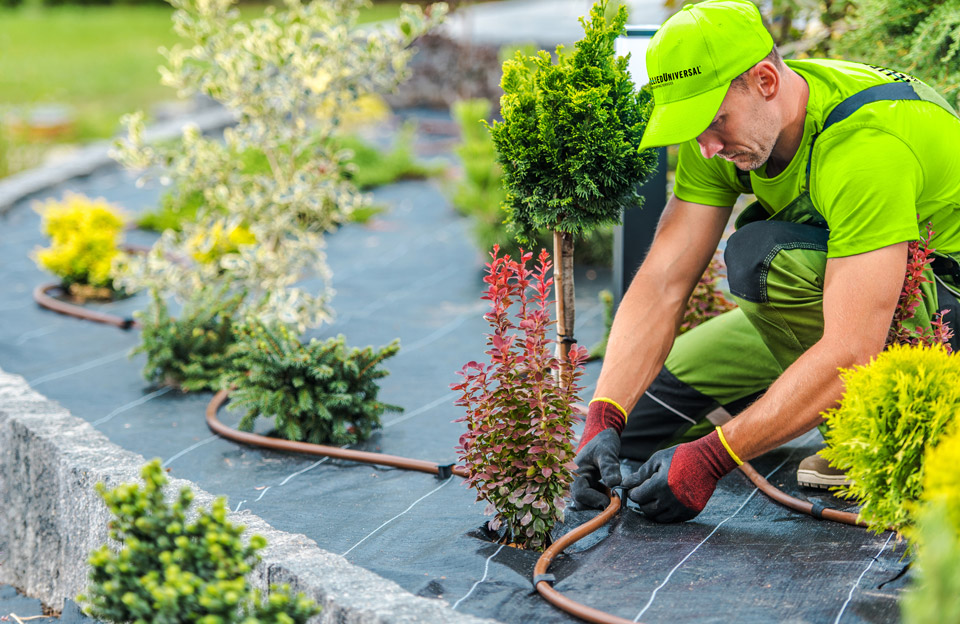
Sustainability has become an essential consideration within contemporary landscape design practices aimed at enhancing emotional responses toward nature itself—a key element missing from many traditional designs focused solely on aesthetics without considering ecological impacts.
Utilizing native plants supports local wildlife habitats while simultaneously offering residents authentic connections back toward their natural environment; this fosters appreciation among community members who might otherwise feel disconnected from nature due largely due urbanization pressures surrounding them daily.
Furthermore, sustainable practices such as rain gardens not only manage stormwater runoff effectively but also educate locals about environmental stewardship—a factor increasingly recognized for its positive influence on mental well-being over time spent engaged outdoors amidst thoughtfully designed green spaces rooted firmly within principles prioritizing ecological balance alongside artistic expression seamlessly integrated throughout landscapes crafted today.
Personalization: Custom Landscape Design Approaches
Personalization stands out significantly when discussing how artistic elements enhance emotional responses within landscapes tailored specifically towards individual preferences whether residentially or commercially oriented projects alike perhaps incorporating unique art styles reflecting homeowner identities directly could lead towards stronger connections formed between occupants inside homes surrounding exterior environments felt intimately connected too over time spent enjoying these curated atmospheres designed uniquely just for them!
Custom landscape designs allow homeowners freedom over choices made regarding vegetation types colors styles materials used ultimately leading towards outcomes reflective around personal stories told visually expressed throughout every inch cultivated lovingly tended ensuring lasting memories created shared moments experienced together nurtured amidst beauty brought forth intentionally crafted envisioned originally prior taking shape now becoming reality enjoyed fully lived out across seasons unfolding together harmoniously nestled securely behind doors leading leads leading outward inviting all guests welcomed warmly entering this world built lovingly built transformed carefully curated pathways await ahead!
Final Thoughts on Integration
The effective integration of artistic elements into outdoor environments serves multiple purposes—it enhances aesthetic appeal while fostering deeper emotional connections between people and places they inhabit regularly! By recognizing how colors textures sounds movements artworks sustainability efforts intertwine collectively shape experiences created together we unlock potential within every space cultivated allowing us truly appreciate beauty surrounding us daily enriching lives profoundly transforming perceptions ultimately leading towards healthier happier communities formed around love respect nurtured relationships blossoming continuously growing flourishing here now present future generations yet discover awaiting patiently arriving next!
By understanding these dynamics involved we empower ourselves architecturally crafting landscapes resonate profoundly lives lived intertwined forever shaping memories cherished revisited repeatedly reflecting upon long after initial encounters fade away leaving behind echoes laughter warmth https://springfieldlandscapingservices.com/contact/ companionship resonating eternally!